

How Can Full Body MRI Mexico Fit Into Modern Longevity Medicine?
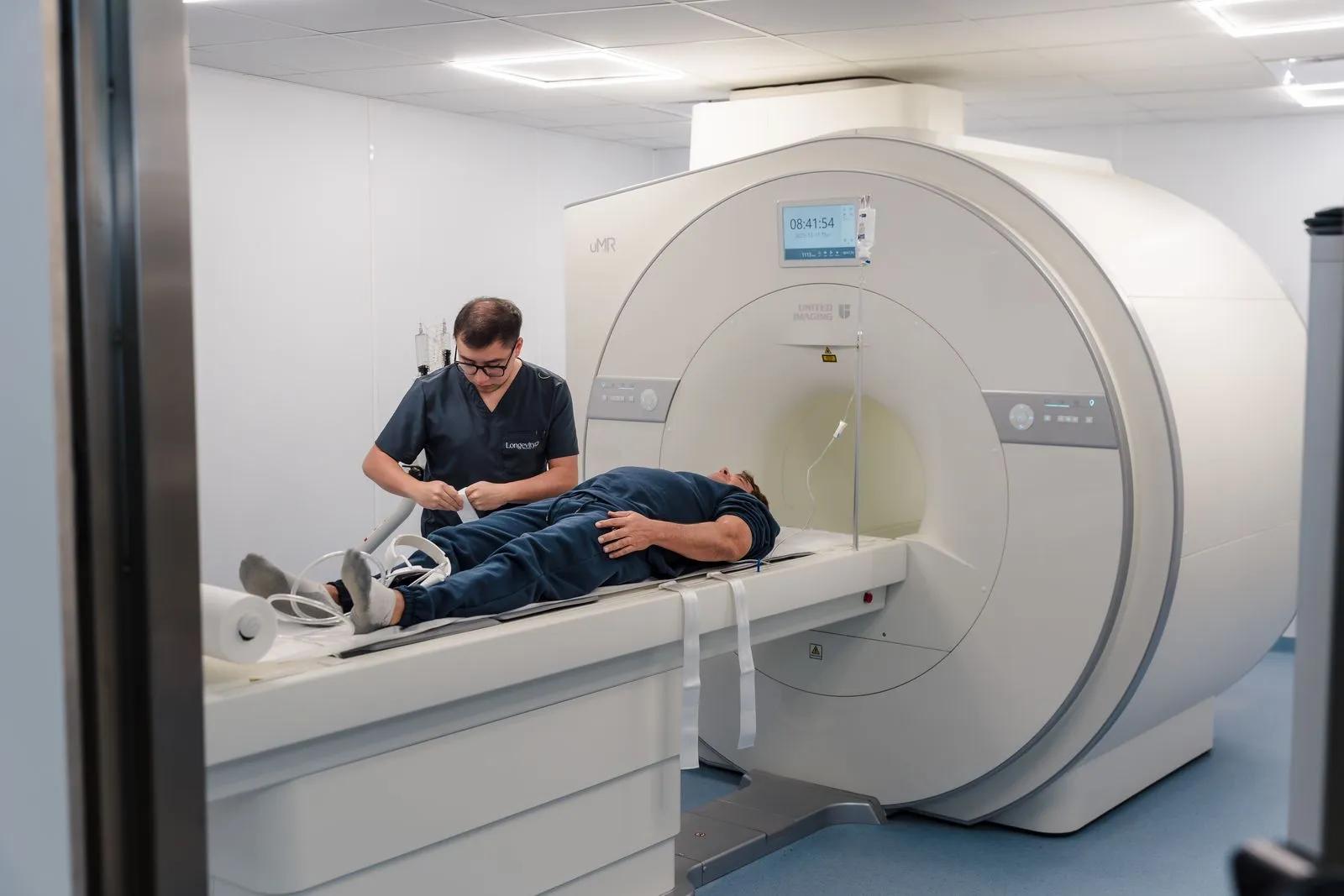
The idea of longevity has changed significantly in recent years. Instead of focusing only on treating illness after symptoms appear, more people are becoming interested in preventive healthcare, early detection, personalized medicine, and strategies designed to support healthier aging.
Mexico has become an increasingly popular destination for people exploring longevity-focused healthcare. The country offers a growing number of clinics that combine medical assessments, advanced diagnostics, wellness programs, and personalized health planning. For people searching for the Best Longevity Clinic Mexico, one of the services that often attracts attention is full body MRI Mexico.
A full-body MRI can provide detailed images of multiple areas of the body without using ionizing radiation. However, understanding what the scan can and cannot do is important before making it part of a preventive health plan.
Why Is Mexico Becoming Popular for Longevity Care?
Mexico has developed a growing healthcare and medical tourism sector, with facilities offering preventive and longevity-focused programs to both local and international patients.
Some modern longevity clinics combine physician consultations with advanced laboratory testing, imaging, metabolic assessments, fitness evaluations, nutrition planning, and other personalized services. Current 2026 longevity-clinic guides identify several Mexican facilities among providers serving the growing healthy-aging market.
One reason people consider Mexico is the ability to combine medical evaluation with a more personalized, concierge-style experience. However, the quality and scope of services can vary significantly between providers.
This makes choosing the right clinic particularly important.
What Is Full Body MRI Mexico?
A full-body MRI is an imaging examination designed to evaluate multiple regions of the body during one comprehensive imaging session.
MRI uses magnetic fields and radio waves rather than ionizing radiation. Depending on the protocol, imaging may cover areas such as the brain, neck, chest, abdomen, pelvis, and spine.
Some providers in Mexico specifically market whole-body MRI programs as part of preventive health assessments. For example, one Mexico-based provider describes a protocol that includes multiple body regions, radiologist interpretation, physician consultations, and an AI-supported report.
The exact areas covered, MRI equipment, scan duration, reporting process, and follow-up services can vary between clinics.
Why Are People Interested in Full Body MRI?
The main attraction is the possibility of identifying abnormalities that might otherwise go unnoticed.
A comprehensive MRI may identify findings involving organs, soft tissues, the brain, spine, or other structures. For someone with particular symptoms, a relevant medical history, or specific risk factors, imaging can be an important part of a diagnostic evaluation.
For longevity-focused patients, however, the purpose is usually different. They may be interested in establishing a detailed baseline of their health and identifying issues that deserve further medical attention.
That sounds appealing, but more testing does not automatically mean better healthcare.
Is a Full Body MRI Recommended for Everyone?
Not necessarily.
Medical experts have raised concerns about using whole-body MRI as routine screening for healthy people without symptoms or significant risk factors. The American College of Radiology has stated that there is insufficient evidence to recommend total-body MRI screening for asymptomatic individuals without relevant risk factors.
One reason is the possibility of incidental findings.
An MRI can detect something that looks unusual but turns out to be harmless. This can lead to additional scans, consultations, biopsies, procedures, anxiety, and expense.
Therefore, the decision to undergo a full-body MRI should ideally be made with appropriate medical guidance rather than simply because the technology is available.
What Should You Look for in the Best Longevity Clinic Mexico?
Searching for the Best Longevity Clinic Mexico should involve more than looking at luxurious facilities or the number of treatments advertised.
A strong longevity clinic should have qualified medical professionals who can interpret test results within the context of an individual's medical history.
The diagnostic process should also lead to meaningful clinical decisions. A large collection of test results is not particularly useful if there is no physician-led plan for understanding and managing them.
When comparing clinics, consider:
Physician qualifications and medical specialties
Quality and type of diagnostic equipment
Radiologist expertise
Laboratory standards and accreditation
Transparency about pricing
Clear explanation of what tests are medically appropriate
Follow-up consultations after testing
Communication of potential risks and limitations
Coordination with your existing healthcare providers
The best clinic is not necessarily the one offering the largest number of tests. It is the one that can connect those tests to sensible, individualized medical care.
How Does MRI Fit Into Longevity Medicine?
Longevity medicine generally focuses on maintaining health and function over the long term.
A comprehensive program may examine cardiovascular risk, metabolic health, physical fitness, nutrition, sleep, cognitive health, and other factors that influence healthspan.
MRI can be one component of this broader approach, particularly when there is a clinical reason to perform imaging.
Some longevity programs now advertise whole-body MRI alongside extensive blood testing, body-composition analysis, exercise assessments, and other diagnostics.
However, imaging should complement—not replace—established preventive healthcare such as appropriate cancer screenings, blood-pressure monitoring, cholesterol assessment, diabetes screening, vaccinations, and other evidence-based medical care.
What Are the Advantages of Full Body MRI?
One important advantage of MRI is that it does not use ionizing radiation.
It can also provide detailed images of soft tissues and multiple anatomical structures. In appropriately selected patients, MRI can be extremely valuable for identifying or evaluating abnormalities.
For someone who has specific symptoms or an increased risk of a particular condition, targeted MRI may provide useful clinical information.
Whole-body protocols can also provide a broad overview of multiple areas during a single planned imaging program.
However, the value of the scan depends heavily on the reason for performing it, the quality of the imaging protocol, and the expertise of the radiologist interpreting the results.
What Are the Limitations?
A full-body MRI is not a guarantee that every disease will be detected.
Different medical conditions require different screening methods. MRI may not be the best test for every organ, disease, or risk factor.
There is also the possibility of false-positive or incidental findings. These findings can create a chain of additional investigations that may ultimately reveal no serious disease. Current medical commentary continues to emphasize that broad whole-body MRI screening has not been proven to extend life in average-risk, symptom-free populations.
For this reason, patients should understand the purpose of the scan before scheduling one.
Is Mexico a Good Choice for Preventive Imaging?
Mexico can be an attractive option for people seeking advanced diagnostic services, but international patients should perform careful due diligence.
Before traveling, confirm the clinic's credentials, the exact MRI protocol, who will interpret the images, whether the report is provided in your preferred language, and how abnormalities will be followed up.
It is also worth asking whether the clinic provides the original imaging files so that your physician at home can review them if necessary.
A comprehensive medical journey should not end when the scan is completed. If an unexpected finding appears, patients need access to appropriate specialist care and a clear follow-up pathway.
The Future of Longevity Diagnostics
Medical imaging is becoming increasingly integrated into preventive and longevity-focused healthcare.
Advances in imaging technology and artificial intelligence may eventually help physicians analyze large amounts of medical imaging data more efficiently. Researchers are also exploring AI-assisted interpretation of MRI and other imaging modalities.
Nevertheless, technology should support medical decision-making rather than replace it.
The future of longevity care is likely to involve a combination of advanced diagnostics, personalized risk assessment, lifestyle interventions, and conventional medical treatment when needed.
Final Thoughts
For people researching the Best Longevity Clinic Mexico, full-body MRI can be an interesting part of the conversation, particularly for individuals with specific medical concerns or risk factors.
At the same time, a full-body MRI should not be viewed as a universal health check or a guarantee of early disease detection. The evidence for routine whole-body MRI screening in asymptomatic, average-risk people remains limited, and incidental findings can create unnecessary follow-up.
Choosing a longevity clinic should therefore begin with medical quality rather than marketing. Look for qualified doctors, experienced radiologists, appropriate diagnostic protocols, transparent communication, and a clear plan for what happens after testing.
When used thoughtfully and for the right patient, full body MRI Mexico may provide valuable information. The real goal of longevity medicine, however, is not simply to collect more health data. It is to use meaningful information to make better medical decisions and support a healthier, longer life.