

Exploring Stem Cell Therapy for Autoimmune Conditions in Mexico
.webp&w=3840&q=75)
Autoimmune diseases affect millions of people worldwide, often causing chronic inflammation, pain, fatigue, and long-term health complications. Traditional treatments primarily focus on managing symptoms and suppressing the immune system. However, many patients continue to search for innovative therapies that address the underlying causes of autoimmune disorders. This growing interest has brought attention to stem cell therapy, particularly in Mexico, where advanced regenerative medicine programs are becoming increasingly accessible.
As a leading stem cell clinic in Mexico continues to attract international patients, stem cell therapy is emerging as a promising option for individuals seeking alternative approaches to autoimmune disease management. From rheumatoid arthritis and lupus to multiple sclerosis and Crohn’s disease, stem cell-based treatments are being explored for their potential to support immune regulation and tissue repair.
Understanding Autoimmune Conditions
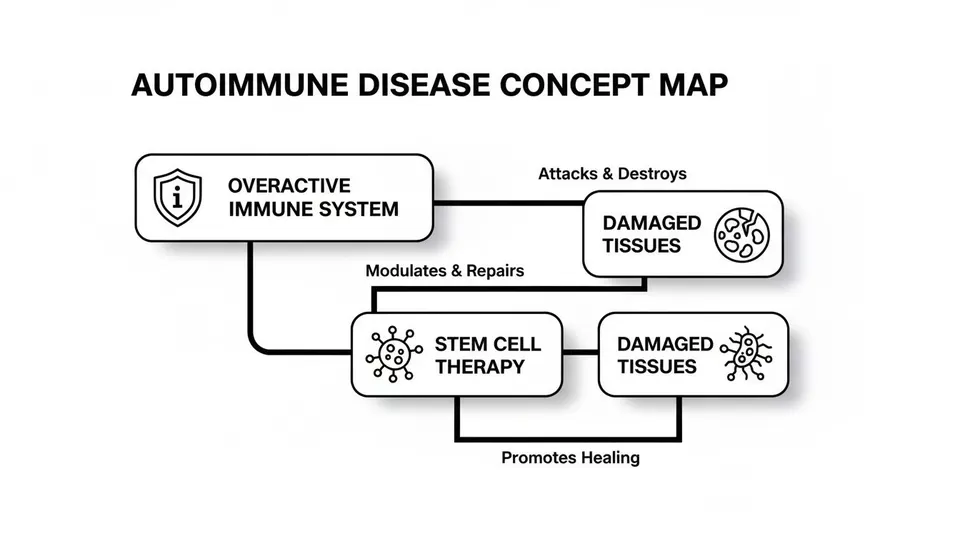
An autoimmune condition occurs when the body's immune system mistakenly attacks healthy cells, tissues, or organs. Instead of protecting the body from harmful invaders, the immune system becomes overactive and creates chronic inflammation that can damage various parts of the body.
Some of the most common autoimmune disorders include:
Rheumatoid arthritis
Multiple sclerosis
Systemic lupus erythematosus (lupus)
These conditions often require lifelong management and can significantly impact a person's quality of life. While medications such as corticosteroids, biologics, and immunosuppressants help control symptoms, they may not be effective for everyone and can sometimes produce unwanted side effects.
What Is Stem Cell Therapy?
Stem cell therapy is a regenerative medicine approach that uses specialized cells capable of developing into different cell types and supporting the body's natural healing processes. Mesenchymal stem cells (MSCs) are among the most commonly used stem cells in regenerative treatments because of their anti-inflammatory and immune-modulating properties.
Researchers believe that stem cells may help regulate abnormal immune responses while promoting tissue repair and reducing inflammation. Rather than replacing damaged organs directly, stem cells work by releasing bioactive molecules that support healing and communication between cells.
This unique ability has made stem cell therapy an area of significant interest for autoimmune disease treatment and research.
Why Patients Choose a Leading Stem Cell Clinic in Mexico
Mexico has become a popular destination for regenerative medicine due to its growing network of specialized clinics, experienced medical teams, and patient-focused treatment programs. Many international patients choose a leading stem cell clinic in Mexico because of the combination of advanced therapies, personalized care, and accessibility.
Several factors contribute to Mexico's reputation in the field of stem cell therapy:
Advanced Regenerative Medicine Programs
Many clinics in Mexico utilize modern laboratory techniques and comprehensive treatment protocols designed to support patient safety and treatment effectiveness. These facilities often focus on innovative regenerative therapies tailored to specific medical conditions.
Personalized Treatment Plans
Autoimmune diseases affect individuals differently. A leading stem cell clinic in Mexico typically develops customized treatment plans based on a patient's medical history, diagnosis, symptoms, and overall health goals.
Experienced Medical Professionals
Specialized regenerative medicine centers often employ multidisciplinary teams that include physicians, researchers, and healthcare professionals experienced in stem cell applications for autoimmune disorders.
International patient Support
Many Mexican clinics offer dedicated services for international visitors, including treatment coordination, travel assistance, accommodation guidance, and multilingual support.
How Stem Cell Therapy May Help Autoimmune Disorders
Although research is ongoing, stem cell therapy is being investigated for its potential to support individuals with autoimmune conditions through several mechanisms.
Immune System Modulation
One of the most significant potential benefits of mesenchymal stem cells is their ability to help regulate immune system activity. By influencing immune cell behavior, stem cells may help reduce the inappropriate immune responses associated with autoimmune diseases.
Reduction of Inflammation
Chronic inflammation is a hallmark of autoimmune disorders. Stem cells produce anti-inflammatory factors that may help decrease inflammation and improve patient comfort.
Tissue Repair and Regeneration
Autoimmune diseases can cause damage to joints, nerves, digestive tissues, skin, and other organs. Stem cells may support natural tissue repair processes by promoting healing and cellular regeneration.
Improved Quality of Life
Many patients seek stem cell therapy with the goal of reducing symptoms such as fatigue, pain, stiffness, and mobility limitations. While individual results vary, regenerative medicine may contribute to enhanced daily functioning and overall well-being.
Autoimmune Conditions Commonly Treated with Stem Cell Therapy
Leading stem cell clinics in Mexico often provide regenerative treatment programs for various autoimmune conditions.
Rheumatoid Arthritis
Stem cell therapy is being explored as a way to reduce inflammation and support joint health in individuals experiencing chronic pain and stiffness from rheumatoid arthritis.
Multiple Sclerosishttps://www.longevity-institute.com/treatments-resources/stem-cell-therapy-for-autoimmune-and-inflammatory-diseases
For patients with multiple sclerosis, stem cell therapy may help modulate immune activity and support neurological function. Research continues to evaluate its long-term potential in disease management.
Lupus
Systemic lupus erythematosus affects multiple organs and tissues throughout the body. Stem cell-based approaches are being studied for their ability to regulate immune responses and reduce disease activity.
Crohn’s Disease and Ulcerative Colitis
Inflammatory bowel diseases can significantly impact digestive health and quality of life. Stem cell therapy is being investigated as a supportive treatment option for reducing inflammation and promoting intestinal healing.
Psoriasis
Patients with severe or treatment-resistant psoriasis may explore regenerative medicine as part of a comprehensive strategy aimed at improving skin health and reducing inflammatory responses.
What to Expect During Treatment
Patients considering stem cell therapy for autoimmune conditions typically undergo a comprehensive evaluation before treatment begins. This process may include:
Medical history review
Diagnostic testing
Physical examination
Treatment eligibility assessment
Development of a personalized treatment plan
Depending on the specific condition and protocol, stem cells may be administered through intravenous infusion or other physician-directed methods. Patients are generally monitored throughout the treatment process to evaluate progress and overall response.
Recovery experiences vary among individuals. Some patients report improvements within weeks, while others may notice gradual changes over several months.
Safety and Considerations
When choosing a stem cell clinic, safety should always be a top priority. Patients should seek reputable providers that follow established medical standards, maintain transparent treatment protocols, and offer thorough consultations before therapy.
It is also important to understand that stem cell therapy remains an evolving field. While many patients pursue treatment with positive expectations, outcomes can vary based on factors such as disease severity, overall health, and individual biological responses.
Consulting with qualified healthcare professionals can help patients make informed decisions regarding potential benefits and risks.
The Future of Stem Cell Therapy for Autoimmune Diseases
The field of regenerative medicine continues to advance rapidly, with ongoing clinical studies investigating the role of stem cells in autoimmune disease treatment. Researchers are exploring new techniques, improved cell preparation methods, and expanded therapeutic applications that may further enhance patient outcomes.
As scientific understanding grows, stem cell therapy may become an increasingly important component of personalized healthcare strategies for autoimmune conditions.
Conclusion
Stem cell therapy for autoimmune conditions in Mexico has become an area of growing interest among patients seeking innovative treatment options beyond conventional symptom management. By focusing on immune regulation, inflammation reduction, and tissue repair, regenerative medicine offers a promising avenue for individuals living with chronic autoimmune diseases.
Choosing a leading stem cell clinic in Mexico can provide access to specialized expertise, personalized treatment plans, and advanced regenerative therapies designed to support patient health and quality of life. As research continues to evolve, stem cell therapy remains a compelling option for those exploring new possibilities in autoimmune disease care.